
What is Oaxaca Known For? 15 Things That Make It Unique

Oaxaca is one of Mexico’s most culturally rich regions. But exactly what is Oaxaca known for? Well, the answer goes far beyond food and mezcal (though they’re certainly part of it).
Oaxaca is known for its vibrant traditions and strong Indigenous roots, plus yes, its incredible food and mezcal. As a Oaxacan that’s spent time exploring other destinations known for their local culture and cuisine, I can see why Oaxaca stands out.
Below, you’ll discover what Oaxaca Mexico is known for, from its famous mole and bustling markets to unique festivals, artisan towns, and natural wonders. Whether you’re planning a trip or just starting to get curious, continue reading to discover what makes Oaxaca so special.

This article may contain affiliate links. This means if you click a link on our blog and make a purchase, we earn a commission at no additional cost to you. For full information, please see our disclosure.
What is Oaxaca Best Known For?
Oaxaca is best known for its rich cultural heritage, incredible food, mezcal production, and strong Indigenous traditions. It’s a place where ancient history, vibrant festivals, and everyday life blend seamlessly. From colorful markets to artisan crafts and unique natural wonders, Oaxaca is widely considered one of the most culturally authentic regions in Mexico.
1. Mezcal
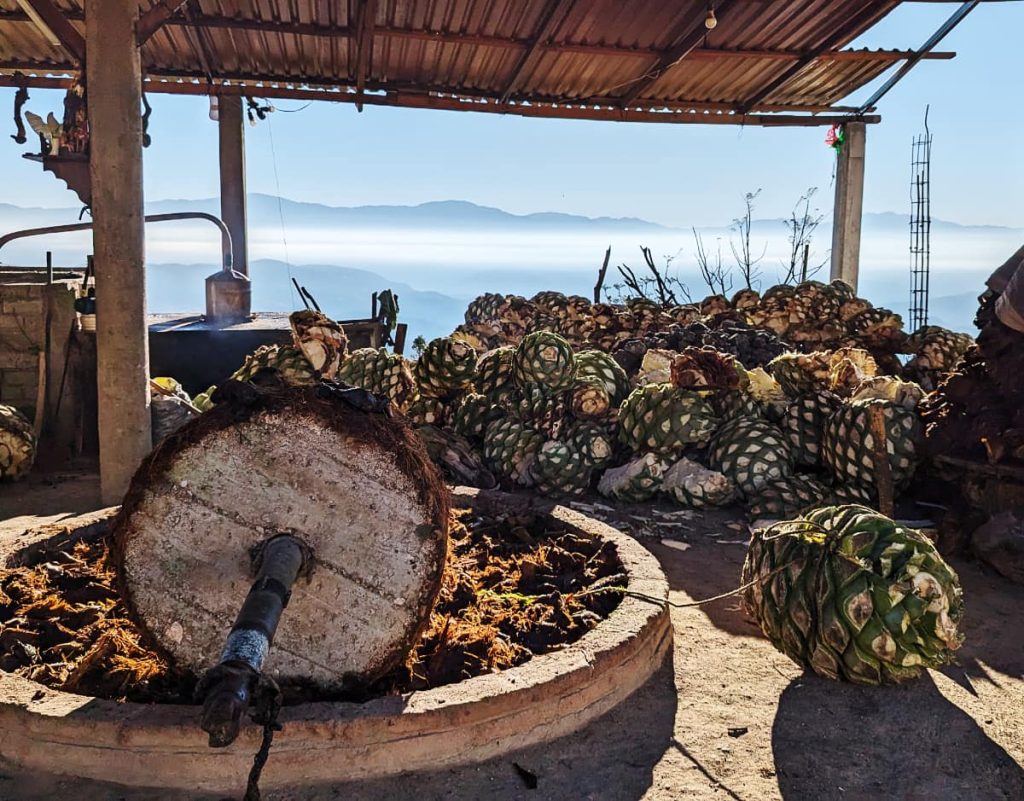
Oaxaca is widely known as the heart of mezcal production in Mexico. This smoky agave spirit is deeply tied to local culture. There are many small, family-run palenques still producing it using traditional methods.
Visiting Oaxaca offers the chance to taste mezcal in its most authentic form, straight from the source. Beyond being a trendy spirit, mezcal represents heritage, craftsmanship, and community.
2. Colorful Markets
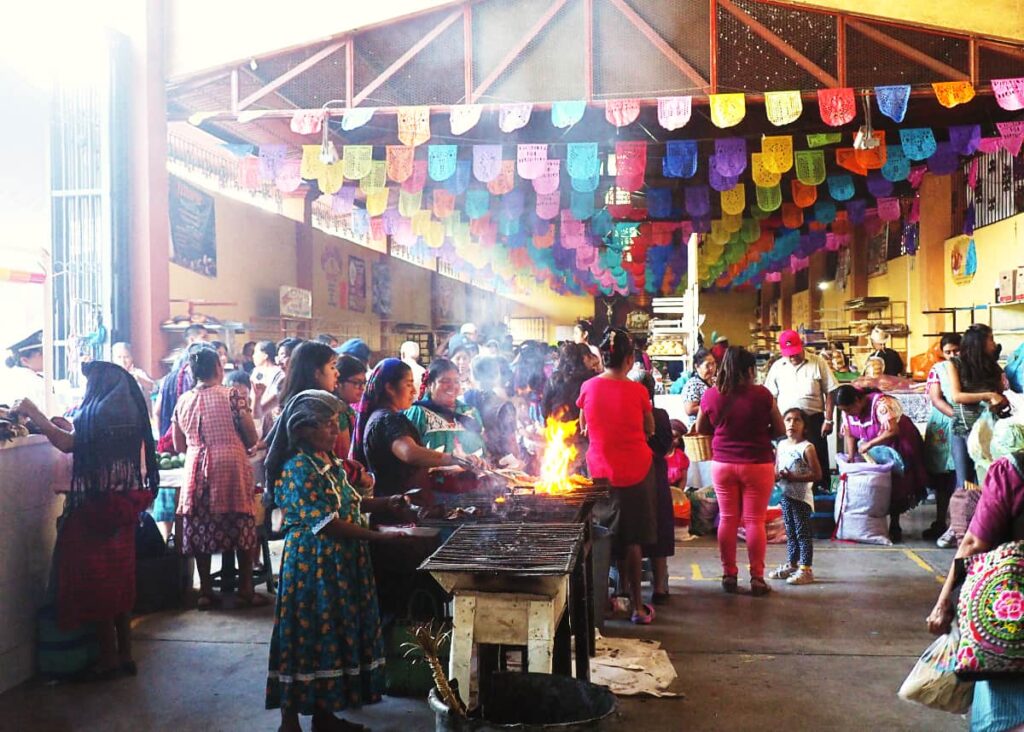
Oaxaca is known for its vibrant and bustling markets, where daily life unfolds in full color. From fresh produce and street food to handmade crafts and textiles, markets are the heart of the community.
The Tlacolula Sunday market is famous for its authenticity (as well as carne asada, barbacoa, and nieves). And the Ocotlán market on Fridays is another favorite, known for barbacoa, La Cocina de Frida, and intricate weaving from the nearby town of San Antonino Castillo Velasco.
Visiting these markets is one of the best ways to experience Oaxaca’s culture, flavors, and traditions all in one place.
3. Unique Celebrations

Oaxaca is known for its incredibly unique and vibrant celebrations. La Guelaguetza showcases Indigenous dance, music, and regional traditions from throughout the state of Oaxaca. Noche de Rábanos (Night of the Radishes) transforms radishes into elaborate art.
Smaller traditions like Día de la Samaritana show just how deep the celebration culture runs. These celebrations aren’t just for tourists, they’re deeply rooted in community identity and pride.
4. Parades (Calendas)
One of the most joyful things Oaxaca is known for is its lively calendas. These street parades are filled with music, dancing, giant puppets, drinking and fireworks. While traditionally these celebrations were used to inaugurate fiestas, these days calendas often accompany weddings, festivals, quinceañeras, graduations and special events.
If you’re in Oaxaca City on a weekend, you’ll likely stumble upon a calenda. (It’s one of the best things to do in Oaxaca). They’re spontaneous, colorful, and incredibly fun, offering a glimpse into how Oaxacans celebrate life’s big (and small) moments. You’ll soon realize that in Oaxaca, celebration doesn’t need a reason.
5. Indigenous Traditions
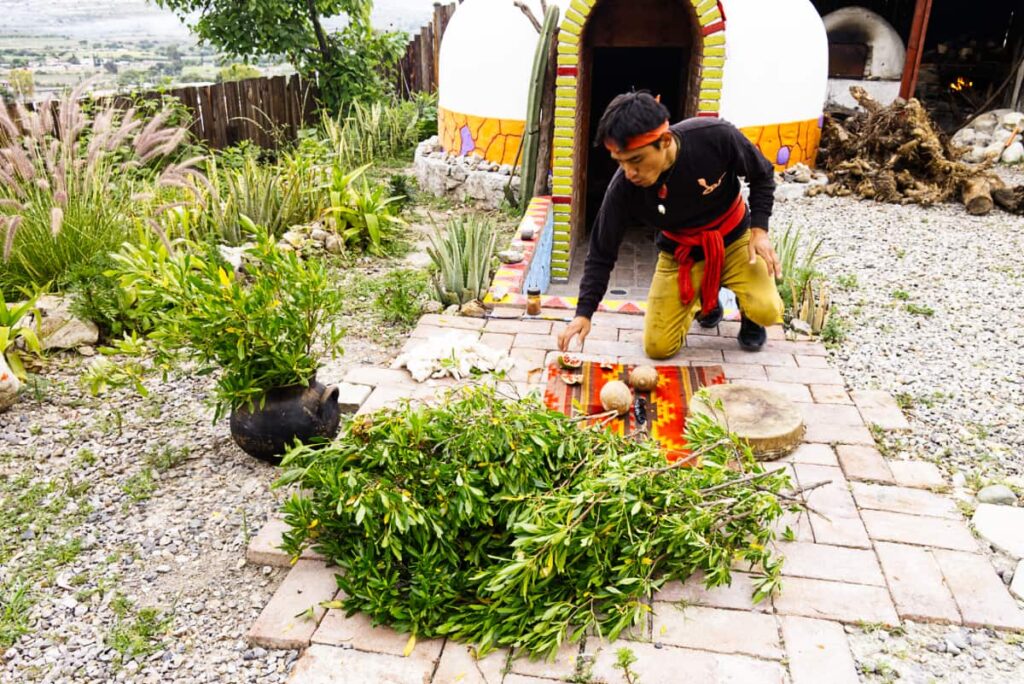
Oaxaca is home to one of the most diverse indigenous populations in Mexico, with each ethnic group preserving its own culture, customs, dances and language. The Guelaguetza festival brings it all together in one place. It’s one of the busiest times of year, but also arguably one of the best times to visit Oaxaca.
If you’re looking to experience something more immersive, a temazcal ceremony is a traditional sweat lodge ritual used for physical and spiritual cleansing. These practices are not staged performances. They remain an active part of daily life, offering visitors a deeper understanding of Oaxaca’s cultural roots.
6. Being a Foodie Destination
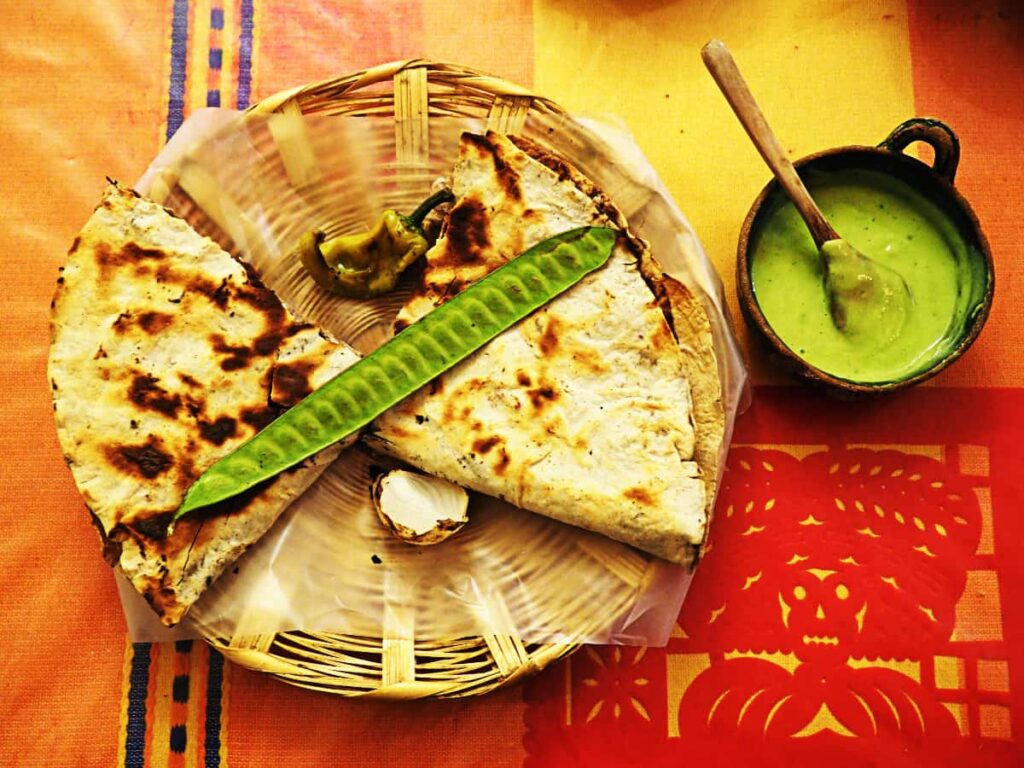
Oaxaca is widely considered one of the food capitals of Mexico. You’ll be able to try unique dishes here that you can’t find anywhere else in Mexico. The region’s rich culinary scene includes foods like tlayudas, quesillo, tejate and piedrazos.
Street food in Oaxaca is just as important as restaurant dining, with bold flavors and traditional techniques passed down through generations. Tasting the traditional foods of Oaxaca is a cultural experience that reflects history, geography, and identity.
7. Its 7 Moles

Oaxaca is known for its seven traditional moles. Moles are complex sauces made from ingredients like chiles, chocolate, spices, and nuts.
Each mole has its own flavor profile, ranging from sweet to smoky to spicy. Mole negro is perhaps the most famous, but their uniqueness reflects the depth and artistry of Oaxacan cuisine.
8. Zapotec Roots & Ancient Ruins
Oaxaca is known for its deep historical roots, shaped largely by the Zapotec civilization. Monte Albán, perched high above the Valley of Oaxaca, offers a glimpse into pre-Columbian life.
The variety of archeological sites in Oaxaca highlight its long and complex history, making it a destination that appeals not only to food lovers but also to history enthusiasts.
9. Artisan Towns
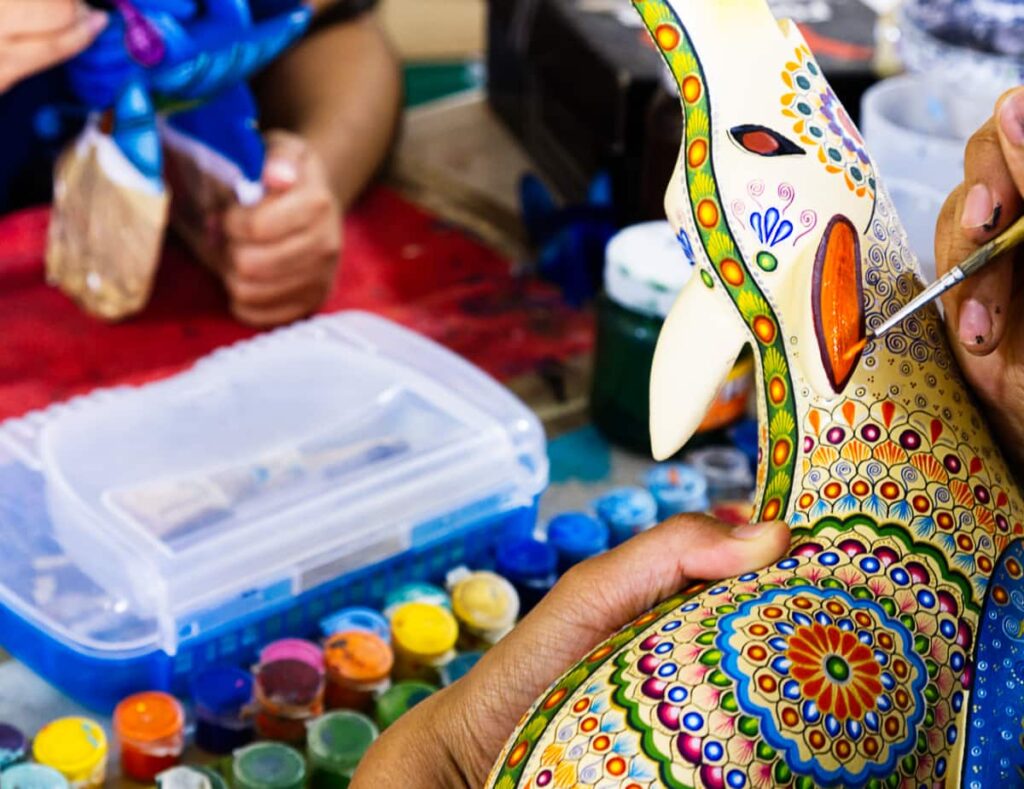
Oaxaca is known for its surrounding artisan towns, each specializing in unique crafts. From handwoven textiles to black pottery and intricate wood carvings (alebrijes), these communities preserve traditional techniques passed down through generations. Visiting these towns offers a more personal connection to the region’s artistry.
10. Hierve el Agua

Oaxaca is known for natural wonders like Hierve el Agua, one of only two petrified waterfalls in the world. The formations were created over thousands of years by mineral-rich spring water that slowly calcified as it cascaded down the rock face.
Above the mineral cascades are several infinity pools overlooking the valley. It’s one of the most unique landscapes in Mexico and a popular day trip for travelers looking to experience Oaxaca’s natural beauty.
11. Gorgeous Beaches
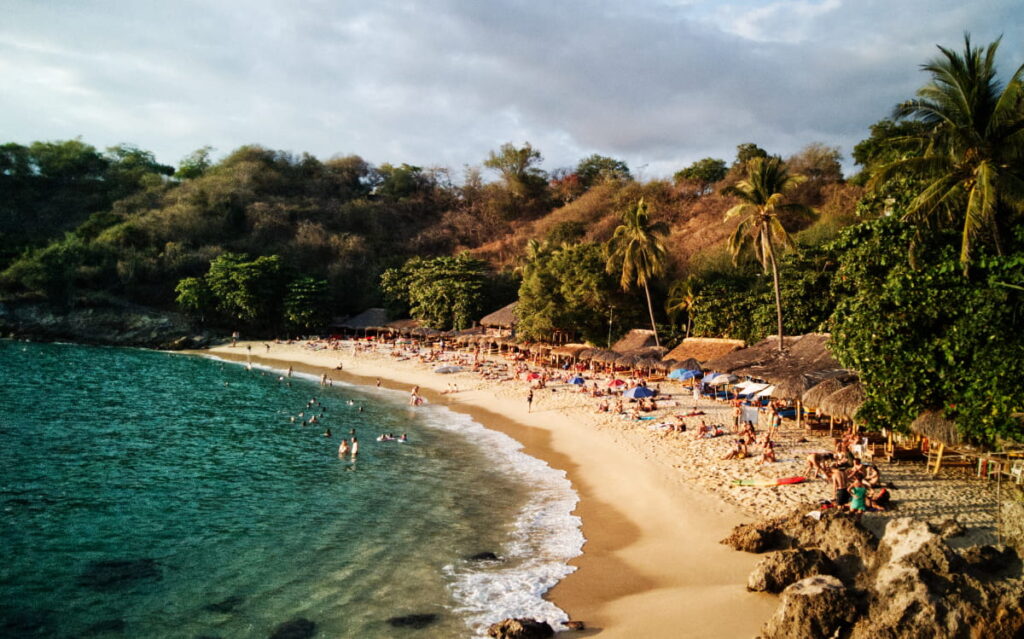
Beyond the valleys and ruins, Oaxaca is also known for a Pacific coastline that rivals any in Mexico. Unlike many of Mexico’s more famous beach destinations, the beaches of Oaxaca have held onto a rawness and authenticity that’s increasingly hard to find.
From laid-back surf towns to quiet coastal escapes, the region’s beaches are ideal for travelers seeking both adventure and tranquility.
Traveling to a specific beach?
🏄♀️ Puerto Escondido
🏖️ Huatulco
🩴 Mazunte Oaxaca
12. The Mexican Pipeline
Among surfers, Oaxaca is known for something else entirely: the Mexican Pipeline. Located at Playa Zicatela, it’s one of the most famous surf breaks in the world and draws experienced surfers from across the globe every year. The Pipeline itself is for seasoned surfers only, but there are other breaks suited to beginners and casual wave riders.
13. Graphic Art
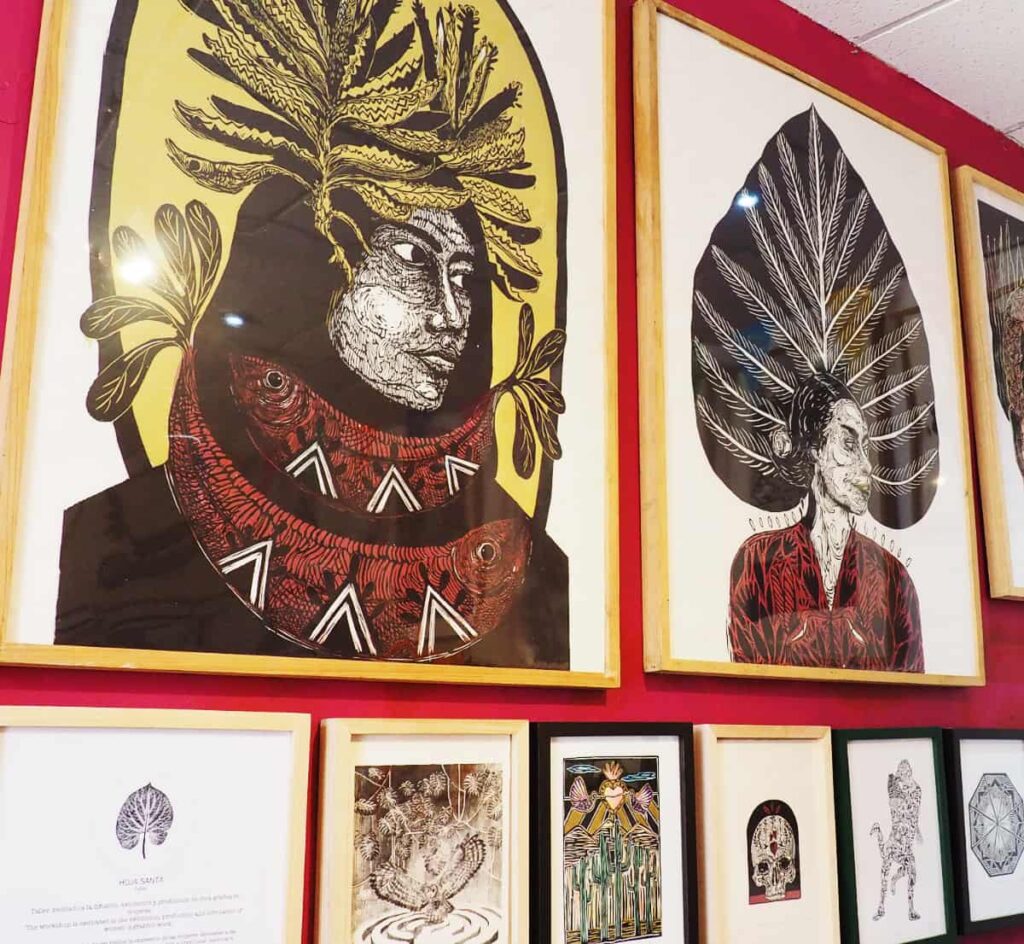
Oaxaca is known for its distinctive graphic art scene, which blends traditional and modern techniques and desgins. The city is home to a variety of independent printmaking studios that are fun to explore while walking around.
You’ll see bold, thought-provoking street art in Oaxaca City. Much of this art reflects social and political themes, making it both visually striking and culturally meaningful.
14. Coffee + Chocolate
Oaxaca is known for both its coffee and chocolate, two staples of daily life. The city has a thriving coffee scene, with independent cafes throughout centro. If you’re looking for the best spots, our guide to the best coffee shops in Oaxaca is a good place to start.

If you want to buy Oaxacan coffee to take home, check out Oro al Comal on Facebook. This Zapotec owned business sells local, single origin coffee that is hand-roasted on a comal which caramelizes the sugars in the bean.
Oaxacan chocolate is equally distinctive. Cacao beans are ground with sugar and spices, either by hand or at a local molino. The grainy paste becomes the base for artisanal chocolate bars and chocolate de agua, a warm drink made with water rather than milk.
15. Sacred Mushrooms
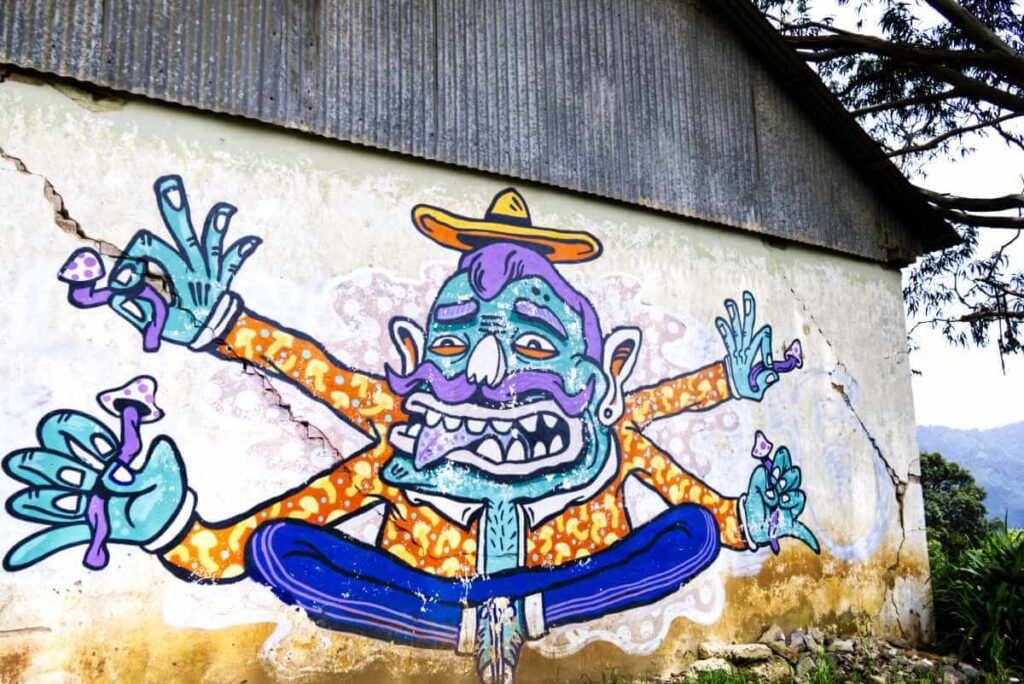
Oaxaca is known for its connection to sacred mushrooms, particularly in places like San José del Pacífico. These mushrooms, called niños santos (holy children), have been used in spiritual and healing ceremonies for generations.
Today, the region attracts travelers interested in wellness and introspective experiences, though these traditions remain deeply respected and rooted in Indigenous culture.
Questions About Oaxaca
Why do people love Oaxaca?
People love Oaxaca for its authenticity, rich culture, and slower pace of life. Unlike more tourist-heavy destinations, Oaxaca feels deeply connected to its traditions. Visitors are drawn to its incredible food, welcoming communities, vibrant markets, and meaningful cultural experiences that feel genuine rather than commercialized.
What makes Oaxaca different from the rest of Mexico?
What makes Oaxaca different from the rest of Mexico is its strong Indigenous presence and cultural preservation. While many parts of Mexico have modernized rapidly, Oaxaca has maintained its traditions, languages, and artisanal practices. This creates a more immersive and culturally rich experience that feels distinct from other regions in the country.
What food is Oaxaca known for?
Oaxaca is known for foods like mole, tlayudas and quesillo. It’s also famous for its chocolate and mezcal. The food here is deeply traditional, often made using techniques and recipes that have been passed down for generations, making it one of the most celebrated culinary regions in Mexico.
Final Thoughts: What is Oaxaca Mexico Known For?
Oaxaca Mexico is one of those places that’s difficult to put into a single category.
It’s a destination rich in culture, history, food, and tradition. From vibrant festivals and ancient ruins to artisan crafts and exquisite flavors, Oaxaca offers a deeply authentic travel experience.
Whether you’re visiting for the food, the culture, or the natural beauty, it’s a place that has a way of exceeding expectations.