
11 Traditional Oaxacan Drinks to Try During Your Travels

Oaxaca is famous for its food, but its drinks are just as rich in history and flavor.
From ancient corn-based beverages to smoky agave spirits, Oaxacan drinks offer a fascinating glimpse into the region’s culture and traditions.
In this guide to the most popular drinks in Oaxaca, you’ll discover what locals actually drink at markets, breakfast tables, and mezcalerías, plus where to try them yourself.
If you want to experience Oaxaca beyond the plate, this list is an excellent place to start.

This article may contain affiliate links. This means if you click a link on our blog and make a purchase, we earn a commission at no additional cost to you. For full information, please see our disclosure.
What drink is Oaxaca known for?
The drink Oaxaca is most known for is mezcal but tejate is a close second. While they both represent the region, these two Oaxacan drinks couldn’t be more different. Tejate is a non-alcoholic corn and cacao drink with deep Zapotec roots, while mezcal is a distilled spirit made from agave. Together, they showcase the region’s indigenous traditions and its modern culinary identity.
1. Tejate
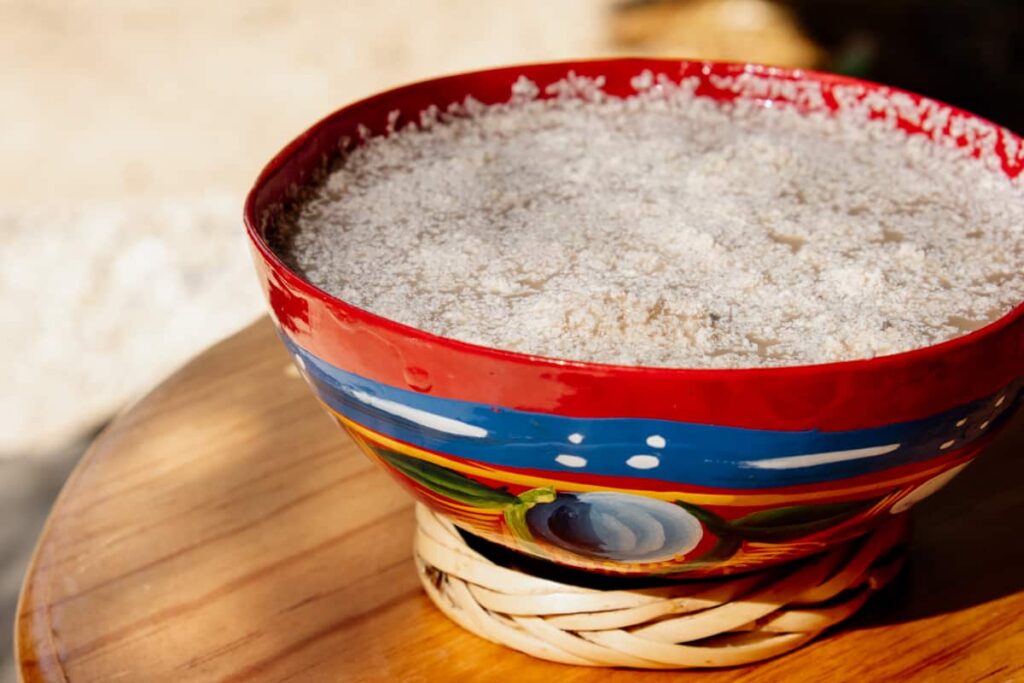
Often called “the drink of the gods,” tejate is one of the most iconic Oaxacan drinks. Made from toasted corn, cacao, mamey seed, and rosita de cacao. It’s mixed by hand and served cold, with a rich foam floating on top.
This is one of my favorite drinks. It’s chocolatey but surprisingly refreshing – perfect to enjoy during a hot afternoon wandering the city or touring the local tianguis (market).

Tejate isn’t just a drink. It’s a cultural experience. It’s mesmerizing to see it served, poured from high up into vibrant hand painted gourds.
Where to drink tejate in Oaxaca:
You’ll find excellent tejate at traditional markets like those featured in my guide to markets in Oaxaca, especially the Tlacolula market on Sundays.
I almost want to gatekeep my favorite local place, but if you ever have the chance to stop at Mercado Bravo Ahuja (map) after 1 pm, you might see an older couple who specialize in selling tejate near the southern entrance of the market. Their tejate is the best I’ve ever tasted!
Keep in mind that tejate is served as an afternoon refreshment. You’re unlikely to see it before 1 pm although some stalls open as early as noon.
2. Horchata con Tuna
A local Oaxacan delicacy, this agua fresca combines the fruity notes of prickly pear (tuna) with Oaxacan style horchata for a uniquely refreshing drink.
Horchata in Oaxaca is different from horchata in other Mexican states. It’s more rice based, usually without the addition of milk, and is lightly sweetened with sugar and cinnamon. It also contains nuts and melon.
You can get this drink in Oaxaca in several different forms. Some vendors offer it as horchata with a large ball of prickly pear sorbet on top (look for agua nieve de horchata con tuna).
Local tip: Often you can customize your agua fresca by sweetness level! Ask for it “sin dulce” if you don’t want any sugar, “extra dulce” if you have a sweet tooth, or “normal” if you prefer the standard amount of simple syrup.
Where to buy agua fresca de horchata con tuna:
This local treat is available at most agua fresca stands in Oaxaca, especially during prickly pear season in June. Aguas y Nieves Don Juanito (map) is a local favorite in centro.
3. Chocolate de Agua

Unlike the milk-based hot chocolate many travelers expect, Oaxacan hot chocolate is traditionally made with water, not milk. The result is lighter, frothier, and intensely chocolatey without being heavy.
It’s traditionally flavored with cinnamon and sometimes other spices like anise, vanilla, almond, or cardamom and whisked until foamy.
Chocolate de agua is a staple of Oaxacan breakfasts and a must-try if you want to understand how important cacao is to the traditional food of Oaxaca.
The complex flavor profile of Oaxacan chocolate is unique. The spices, the quality, the distinctive flavor all capture why Oaxaca is a culinary cornerstone of Mexico.
Where to drink chocolate de agua in Oaxaca:
You can find a cup of chocolate de agua at many of the best restaurants in Oaxaca, especially those known for traditional breakfasts.
If you want to support a local, indigenous owned business, Chimalapa Cacao has 100% Oaxacan grown and crafted chocolate. In fact, I recommend you book their chocolate tasting tour to learn about the process.
4. Oaxacan Coffee

Oaxaca is known for producing some of the best coffee in the world. Due to its mountainous regions, the best beans are grown at high altitudes due to slow maturation and a bolder flavor.
Still curious? Discover more of what Oaxaca is known for.
The sugars in the coffee cherry grown at higher altitudes (like in Oaxaca’s Sierra Norte) are more complex, giving Oaxacan coffee a unique flavor profile. Depending on the varietal, you may notice notes of citrus, florals, caramel, and more.
Where to drink coffee in Oaxaca:
You can find good Oaxacan coffee at these cafes in Oaxaca.
If you’re looking to take some coffee home with you, reach out to Oro al Comal on Facebook. It’s a Zapotec owned business that sells local, single origin coffee that’s hand-roasted on a comal. This traditional process caramelizes the sugars in the coffee bean, rather than burning them like most commercial coffees.
5. Mezcal
No list of Oaxaca drinks would be complete without mezcal. This spirit is known for having a smoky flavor profile. But mezcal varies widely depending on the type of agave, the fermentation process, and the mezcalero who produces it.
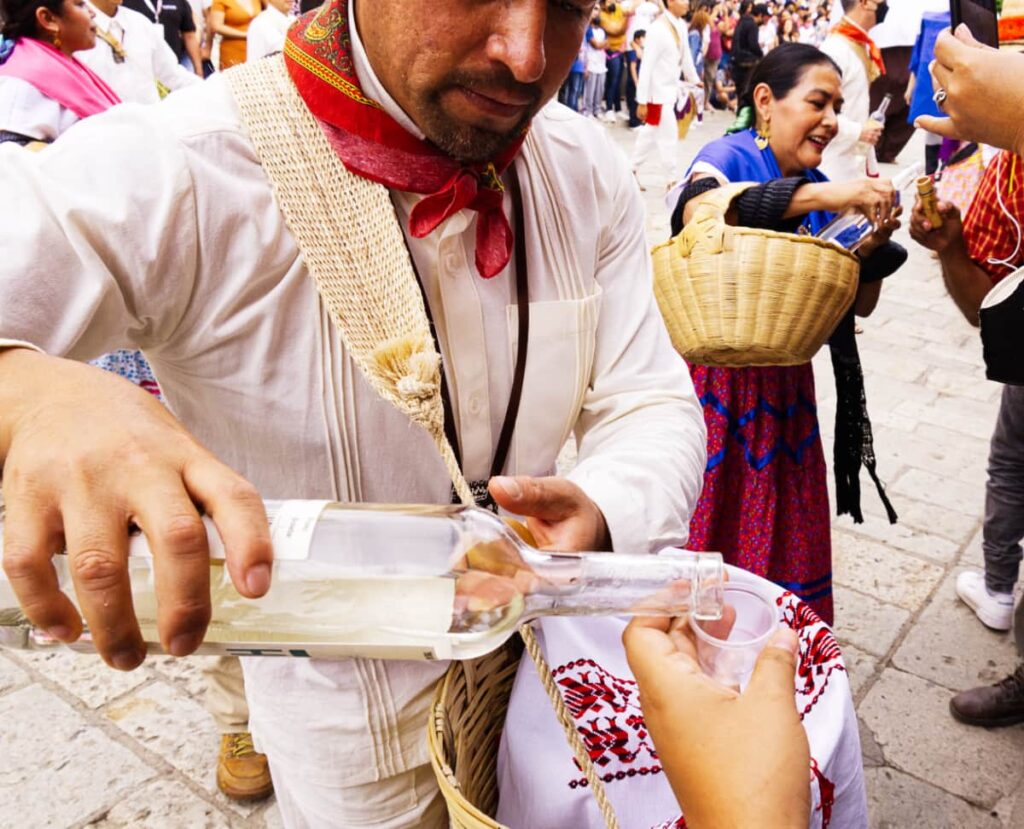
And it’s more than just a drink. Mezcal is a token for bonding. From Oaxacan parades (called calendas) to pueblo parties, you’re sure to be offered some at some point during your stay in Oaxaca. It´s not unheard of for a shop owner or teacher at a workshop to welcome you with a taste of mezcal.
Where to drink mezcal in Oaxaca:
If you aren’t already planning to book a mezcal distillery tour in Oaxaca City to learn about the entire process, you should!
In the city, there are specialized mezcalerías and tasting rooms. Here are a few favorites:
6. Pulque
Pulque is a fermented agave drink with ancient roots. While it’s more famous in central Mexico, Oaxaca’s version is often lighter and less viscous, making it more approachable for first-timers. You will find it served natural or flavored with fruits.
Oaxacan pulque is very similar to a sweet, agave flavored kombucha, or even an aloe based drink. It doesn’t have the characteristic slimy texture of pulque from central Mexico.

Where to drink pulque in Oaxaca:
You’re most likely to find it in specialized bars called pulquerías. Just east of Centro is Pulquería Miktlan (map). And about an hour outside of the city, in Matalán (the capital of mezcal) you can find pulque and aguamiel at La Casa del Pulque (map).
There is also a pulque vendor in the sprawling Abastos market (read my guide before you go).
Aguamiel (Bonus Oaxacan Drink)
Aguamiel, meaning “honey water,” is the sweet sap extracted from agave before it’s fermented into pulque. Fresh aguamiel is lightly sweet and surprisingly refreshing.
It’s delicate and perishable, which is why many visitors never encounter it. If you see it available fresh, it’s worth trying at least once.
Where to drink aguamiel in Oaxaca:
You’re most likely to find it being sold by wandering salespeople in tianguis or from vendors who specialize in pulque (see above).
7. Tepache
While tepache exists all over Mexico, Oaxacan tepache is a different beast. Tepache is a refreshing, sweet and fermented drink. The varieties available with pineapple or other fruit are similar to kombucha.

Traditional Oaxacan tepache, however, is made out of fermented sugar cane juice and has a higher alcohol content. When first fermented, it is sweet and fizzy, almost like a sugar cane soda. After it’s well into the fermentation process, sugar cane tepache becomes sour with a higher alcohol content.
Where to drink tepache in Oaxaca:
Street stalls near markets and plazas are your best bet for non alcoholic varieties. It’s easy to find at agua fresca stands along the andador turistico (walking street) or in local markets like Benito Juarez or La Cosecha.
True Oaxacan tepache is most common in the Sierra Norte. If you take a day trip to nearby pueblos like Ixtlán or Guelatao, keep an eye out for this version.
8. Champurrado
Champurrado is thick, velvety, and deeply nostalgic. Made with masa, chocolate, cinnamon, and sugar, it’s essentially a drinkable dessert. A very filling one. While champurrado exists throughout Mexico, Oaxaca’s rich chocolate gives it a deeper, more complex flavor.
This is the kind of drink you’ll want early in the morning or on a cool evening. It’s regularly consumed during the cooler months to warm the body and provide hearty fuel for the day. Oaxacans also enjoy it as a treat at night with tamales or pan dulce.
Where to drink champurrado in Oaxaca:
Markets and breakfast spots around the city often serve it alongside tamales. It’s most common in the winter months and during cold spells. I suggest checking out the local eateries at Mercado 20 de Noviembre for breakfast if you want to try it.


9. Pozontle
Pozontle is one of the more obscure Oaxacan drinks. Made from fermented corn and cacao, it’s tangy, slightly thick, and deeply rooted in pre-Hispanic traditions. While not widely available, it occasionally appears at festivals and specialty markets.

It’s the kind of drink that reminds you why Oaxaca is a culinary powerhouse in Mexico, especially when it comes to preserving indigenous culinary traditions.
Where to drink pozontle in Oaxaca:
You may find pozontle at La Cosecha Market or during the many cultural festivals in Oaxaca and neighboring pueblos.
10. Agua de Chilacayota
Chilacayota is a lesser-known Oaxacan drink made from squash, piloncillo (pure, raw cane sugar), and spices. It’s gently sweet, cinnamony and refreshing. It’s most often served during the autumn months when chilacayota is in season.
If you enjoy traditional Mexican flavors that feel homey rather than flashy, this one’s for you. The flavor profile is similar to pumpkin spice, but without any of the pretense of an autumn pumpkin spice latte.
A tip for travelers: this drink has some texture. The stringy bits of squash and seeds can be part of the charm, but it’s not for everyone.
Where to drink chilacayota in Oaxaca:
Look for chilacayota at local mercados or food stalls in the Central valleys of Oaxaca, or in the tianguis when it’s in season (fall months). I recommend buying it in the Benito Juarez market.
11. Poleo Tea
Poleo is a wild mint traditionally used for digestion and relaxation all over Mexico. In Oaxaca, it’s commonly served as an iced tea or lemonade infusion.
Poleo is aromatic with a light natural sweetness and minty profile. It’s simple, but deeply tied to everyday life in the region. Poleo is amazing for those with sensitive stomachs or chronic indigestion, as well.
Where to drink poleo tea in Oaxaca:
Many restaurants in Oaxaca offer poleo as an iced tea or flavoring for lemonades. If you’re curious to try it as a hot tea, the herb is widely sold in markets and sometimes prepared in cafes.
Final Thoughts About Oaxacan Drinks
Oaxacan drinks are more than just something to sip on. They’re a direct connection to the region’s history, agriculture, and daily life.
From ancient corn-based beverages to world-class mezcal, these drinks reflect centuries of tradition and local pride.
Whether you’re wandering markets, sitting down for breakfast, or enjoying a drink with friends, taking the time to try these traditional beverages adds a deeper layer to your visit.