
Día de la Samaritana: Inside Oaxaca’s Beloved Tradition

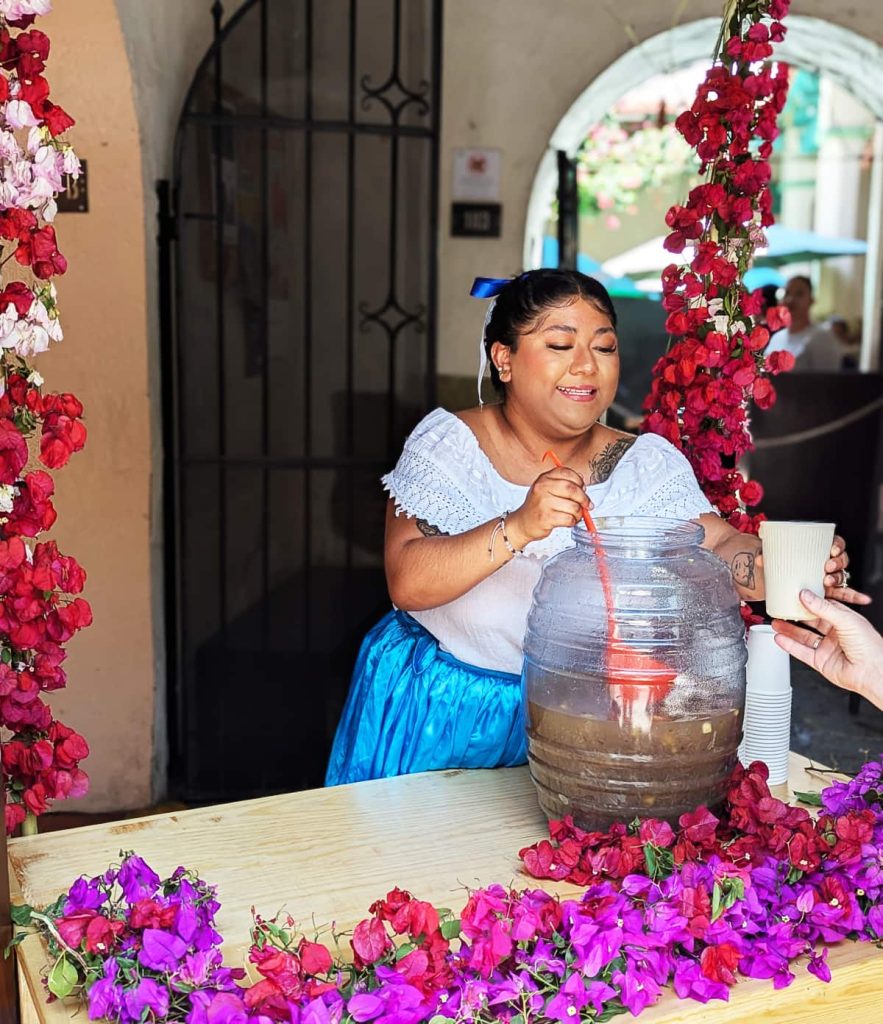
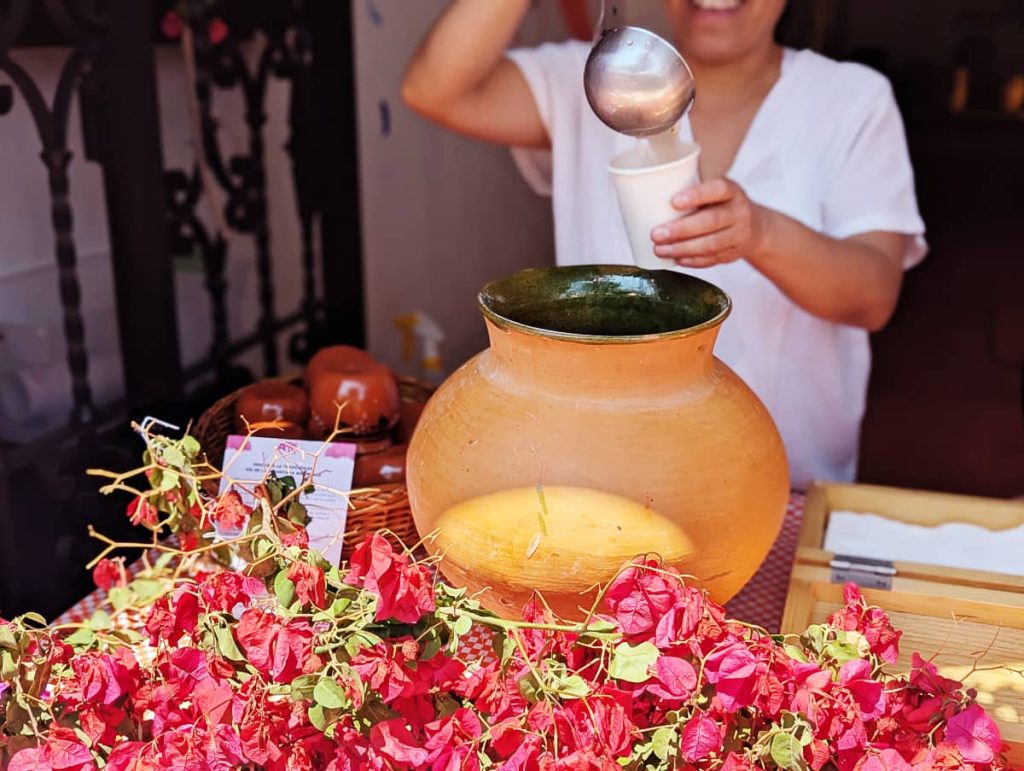
Imagine strolling through Oaxaca’s historic center under the blazing sun in spring. Noticing you’ve become quite thirsty, you approach a stand decorated with bright bougainvillea flowers.
The woman behind the stand hands you a cold cup of jamaica, but when you ask her how much, she laughs and says something you don’t understand. A local kindly explains “It’s Día de la Samaritana. Today people give out free aguas frescas.”
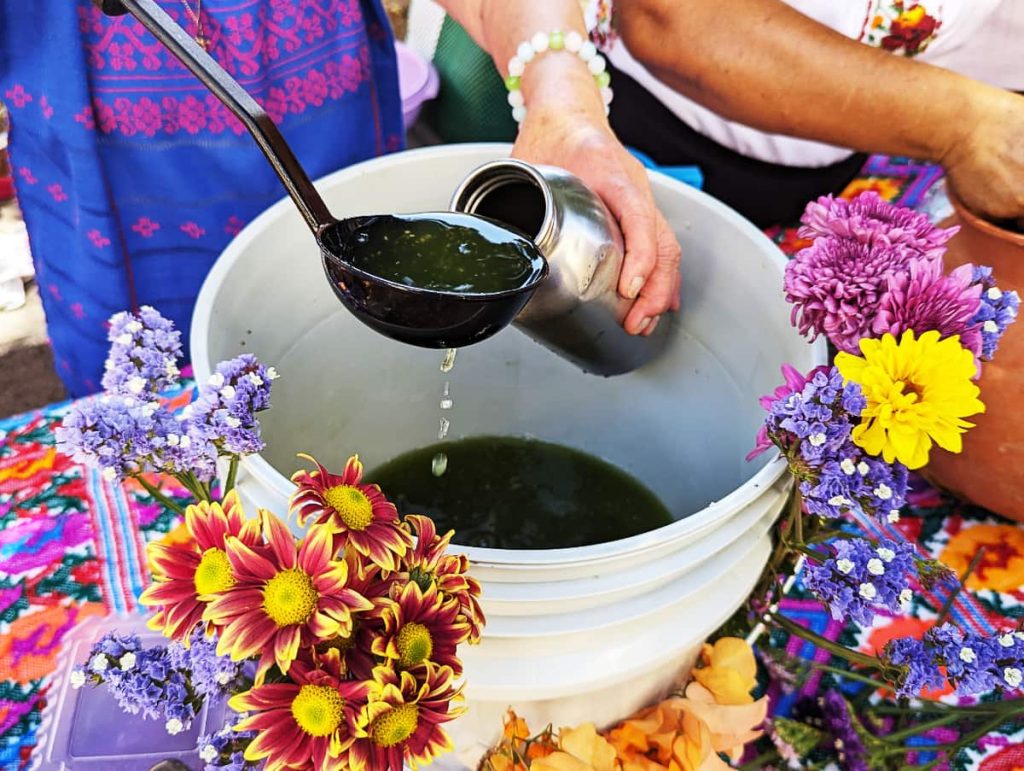
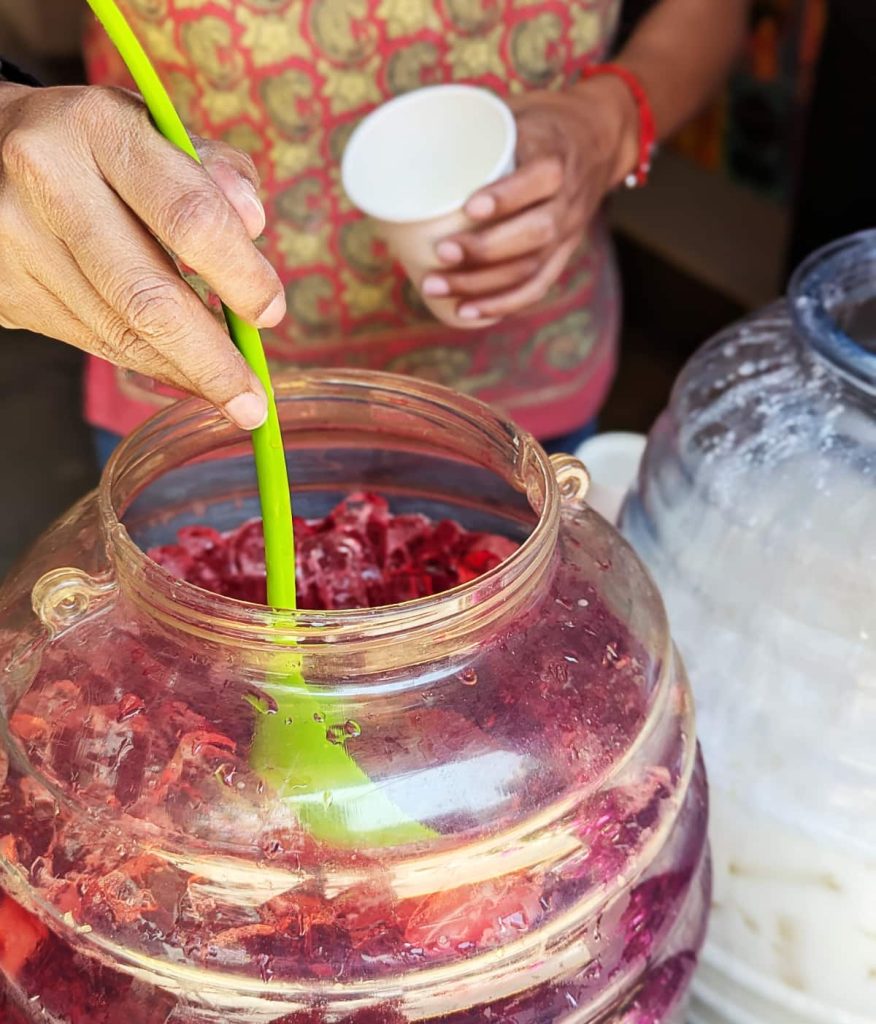
As you look around you notice the streets are spilling over with decorated stands holding large glass and clay jars of aguas frescas: red watermelon, green cucumber and lime, deep purple jamaica, white horchata, bright yellow maracuyá (passion fruit).
The center is lively with the hustle and bustle of locals meandering from stand to stand, some carrying reusable cups or traditional jícaras (dried gourd vessels). Friendly business owners and workers smile as they pour cups of refreshing aguas. That is Día de la Samaritana in Oaxaca.
Keep reading to discover where to go, what time Samaritana starts, and what it’s all about.
This article may contain affiliate links. This means if you click a link on our blog and make a purchase, we earn a commission at no additional cost to you. For full information, please see our disclosure.
What is Día de la Samaritana in Oaxaca?
Día de la Samaritana is one of Oaxaca’s most charming annual traditions in which churches, markets, and businesses offer free cups of aguas frescas to passersby. Though rooted in Catholic tradition, today it’s a community celebration. For visitors, it is one of the sweetest ways to experience Oaxaca’s generous spirit.
When is Día de la Samaritana?
Día de la Samaritana takes place on the fourth Friday of Lent, so the exact date changes each year according to the Easter calendar. Festivities typically begin in the late morning around 11 am and continue through the afternoon, usually finishing around 3 pm. Arriving around midday is ideal.
What to Expect: Sights, Sounds, and Flavors
The atmosphere is festive but relaxed. It’s less of a show and more of an experience, with beautiful decorations, music and local crowds.
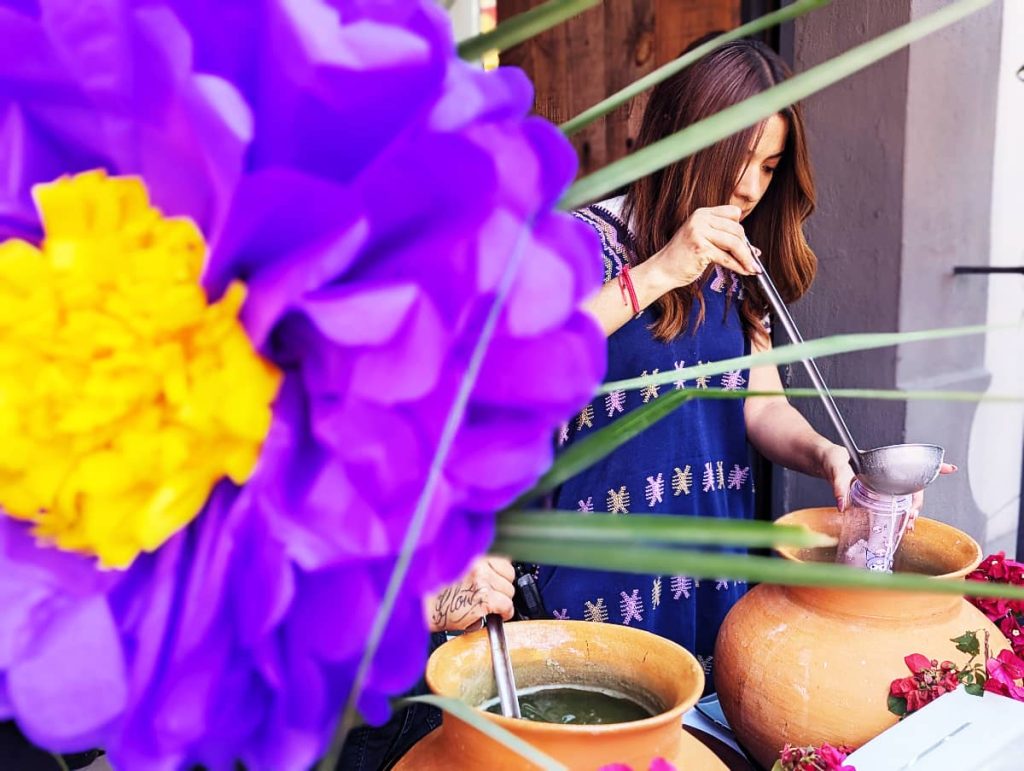
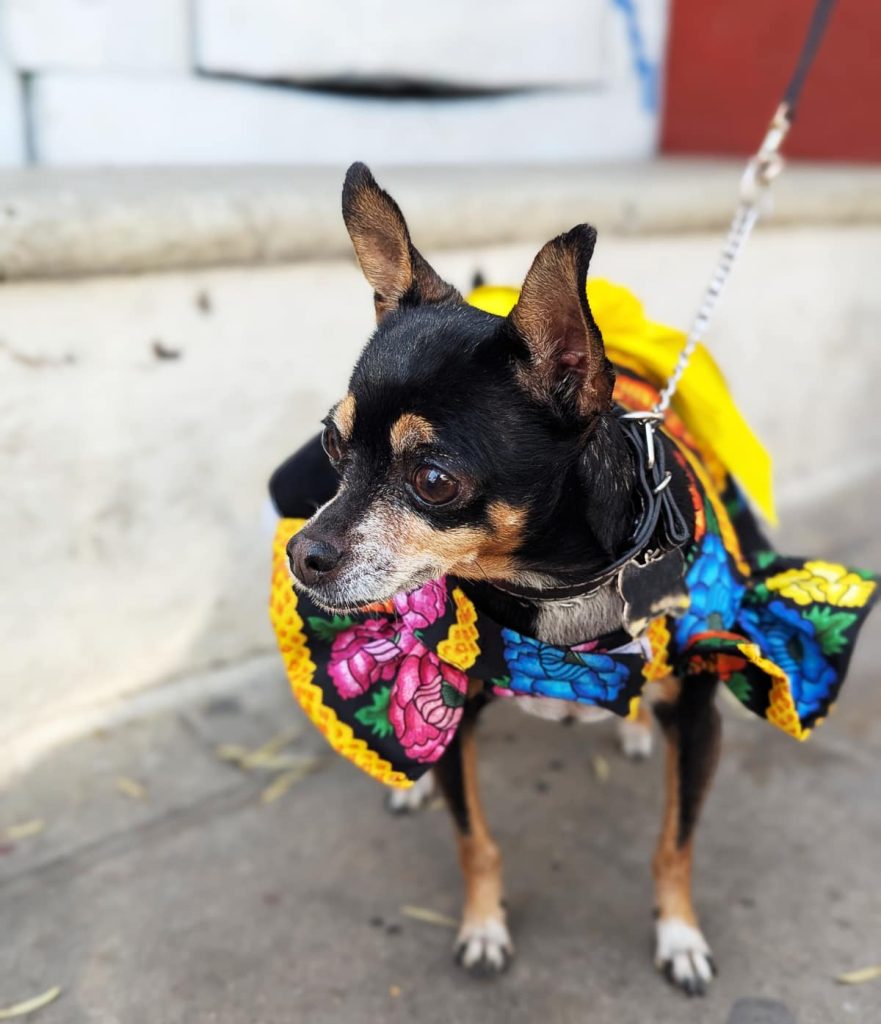
The city center fills with temporary drink stands housing clay pots or large glass jars. The tables are often scattered with bright, hot pink, purple and sometimes red bougainvillea. Many Oaxacan women and families wear traditional clothes. Overhead you´ll notice streams of papel picado, intricate carved paper. There may be religious images, handmade altars, or crosses as well.
Signature flavors include:
- Jamaica (hibiscus)
- Horchata with melon and chopped nuts
- Tuna (prickly pear)
- Cucumber and lime
- Maracuyá (passion fruit)
- Watermelon
- Tejate, one of Oaxaca’s most traditional drinks
You’ll also find some stands serving nieves (ice cream).
Tip – If you have one, bring your own reusable cup or a traditional jícara gourd bowl. Many locals appreciate the sustainable gesture, and it adds to the experience.
Where to Go: Best Spots in Oaxaca City
For most visitors, Centro Histórico is the easiest and most rewarding place to celebrate Día de la Samaritana in Oaxaca. As you walk through the pedestrian-friendly streets, you will encounter multiple stands within a few blocks of each other.
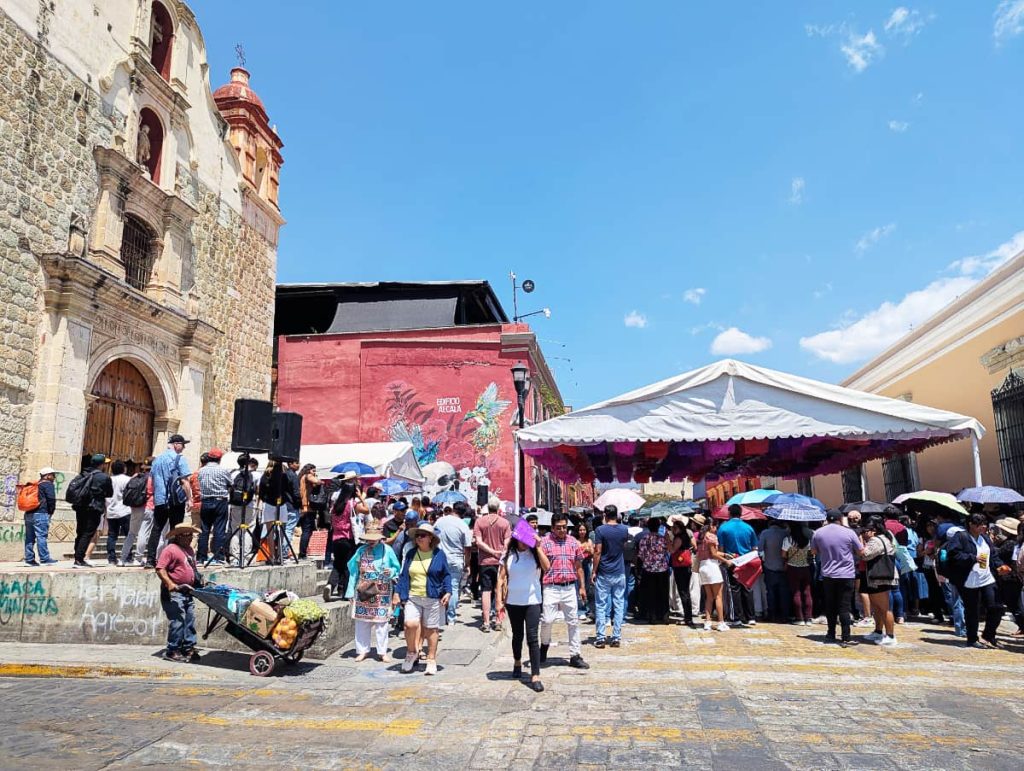
The festival kicks off with a short religious ceremony in front of Templo de Sangre de Cristo (map). After the ceremony, the tent in front is lined with tables of clay pots full of agua frescas. But the crowd is dense, so if you want to move along there are plenty of other places throughout the city.
Great neighborhoods to explore include:
- Centro Histórico – easiest for first-time visitors
- Jalatlaco – colorful streets and neighborhood feel
- La Merced – lively local energy
- Xochimilco – historic, peaceful feel
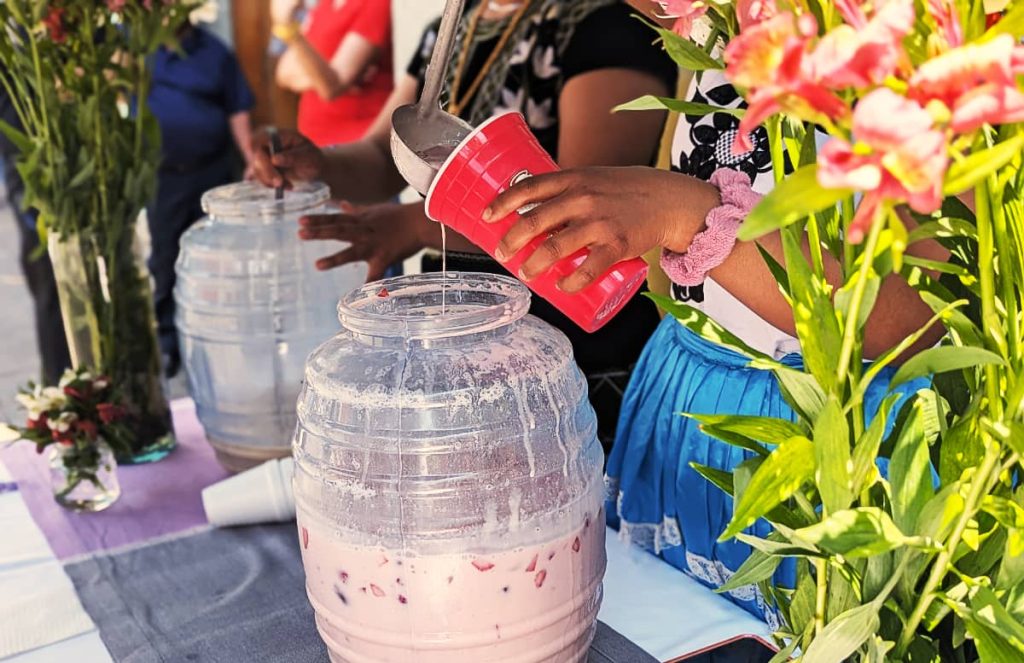
Keep in mind this tradition extends beyond Oaxaca City. If you are on a day trip from Oaxaca, you’ll likely encounter celebrations in surrounding pueblos and communities.
Tips for Día de Samaritana in Oaxaca
- Accept kindly. Say gracias and receive offerings with appreciation.
- Bring small cash. Drinks are free, but you may want to buy snacks nearby.
- Carry a reusable cup. Practical and eco-friendly.
- Go before 3 pm. Many stands are freshest and fullest around midday.
- Walk slowly. The fun is in wandering and discovering unexpected stands.
- Dress for sun. March and April afternoons can be bright and warm.
- Take photos respectfully. Ask before photographing people directly.
History and Origin
The tradition of Día de la Samaritana comes from the Biblical story of the Samaritan woman who offered water to Jesus at a well (John 4). In Oaxaca, that story evolved into a local custom centered on generosity, refreshment, and community care during Lent.
Over time, what began as a religious observance became one of the city’s most beloved public traditions. Today, schools, families, businesses, and neighborhoods participate whether for faith, culture, or simple hospitality.
Questions About Viernes de Samaritana
Is Día de la Samaritana only in Oaxaca?
Día de la Samaritana is most strongly associated with Oaxaca, especially the capital (Oaxaca de Juárez) and surrounding communities. While the Biblical feast exists elsewhere in religious contexts, the lively custom of offering free aguas frescas in decorated street stands is especially iconic in Oaxaca.
What drinks are served at Día de la Samaritana?
Drinks served at Día de la Samaritana typically include a wide variety of traditional aguas frescas and aguas made from seasonal fruits. Popular offerings include horchata, jamaica, tuna, pepino con limón, maracuyá and other seasonal flavors. Some stands also serve tejate or special house recipes. Every neighborhood may offer slightly different flavors.
Is the agua fresca at Día de la Samaritana free?
Yes, the agua fresca at participating stands during Día de la Samaritana should always be free. Generosity, community and the spirit of giving are at the heart of this celebration. You are not expected to pay, though gratitude, courtesy, and respectful participation are always appreciated.
Can you participate in Dia de la Samaritana if you are not religious?
Yes, you can participate in Dia de la Samaritana regardless of your religious beliefs. This holiday may have its roots in religion, but not all participants (whether hosts or attendees) are religious. The heart of this holiday is about grace, community and generosity, so all are welcome to participate.
Wrapping Up Día de la Samaritana
If you’re visiting Oaxaca during Día de la Samaritana, do not treat it as just another calendar event.
Step into it. Walk the sunlit streets, admire bougainvillea-draped stands, accept a cold drink, and say gracias.
Few traditions capture Oaxaca’s warmth so beautifully. For visitors hoping to experience real local culture, Dia de la Samaritana is as unique and authentic as it gets!