
Oaxaca Centro: Insider’s Guide to Centro de Oaxaca

Oaxaca Centro, aka Centro Histórico de Oaxaca, encompasses the vibrant heart of the city. As someone who grew up in Oaxaca de Juárez, I view the Oaxaca city center more broadly than map borders often suggest.
Centro Oaxaca stretches inward from the edges of Jalatlaco and spills outward past the Plaza de la Danza, loosely bordered by the Abastos Market to the south and Xochimilco to the north. It spans wide city blocks of colorful streets, colonial buildings, cafés, and galleries.
In this article, you’ll discover not only the main landmarks like Santo Domingo, Zócalo, Plaza de la Danza, and Llano Park, but also lesser known cultural gems and the best places to stay in Centro de Oaxaca.
I hope you’ll come away with an understanding of what makes this area the city’s beating core.
This article may contain affiliate links. This means if you click a link on our blog and make a purchase, we earn a commission at no additional cost to you. For full information, please see our disclosure.
Where is the Oaxaca City Center?
The city is positioned around the historic center, also known as the “andador turístico,” which includes the Zócalo, Santo Domingo Church and the pedestrian corridors in between. It lies comfortably within the confines of major roads like the periférico and Calzada de la República.

However, Oaxaca centro is far more than just this area. If you view the city as a compass then centro would be the magnetic needle that points to Xochimilco in the north, Jalatlaco in the east; the Abastos market in the South and the periférico in the west.
The area radiates in all directions from Santo Domingo, the andador turístico and the Zócalo and spans wide city blocks of cobblestone streets, shops, cafés, galleries, museums and landmarks.
Ready to explore the neighborhoods through its street art? Book this bicycle tour of Oaxaca which helps you dive into the city’s history and street art.
What is Oaxaca Centro Known For?
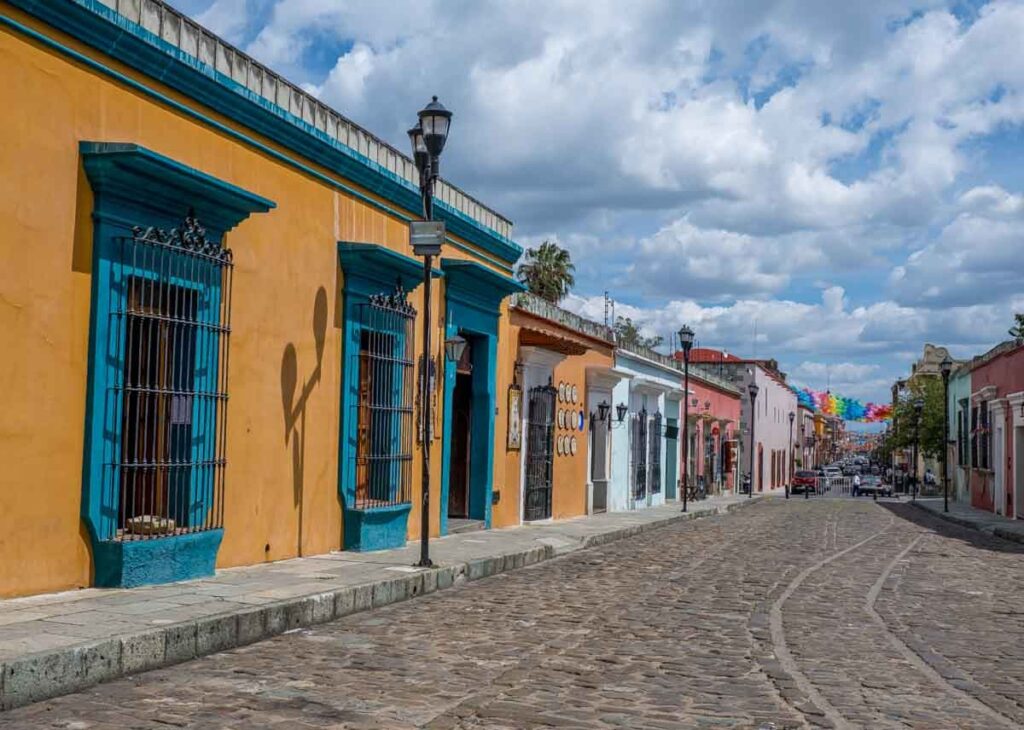
Oaxaca centro is known for its striking green cantera stone facades, Baroque churches, and lively street life. You’ll find a rich mix of graphic art studios, museums, and cultural spaces, including galleries showcasing contemporary art.
Sidewalk cafés, mezcal bars, and boutique shops blend with artisan markets and restaurants serving traditional food such as mole, memelas, and tejate behind centuries‑old colonial architecture. The imposing historical architecture juxtaposes beautifully with the welcoming vibe of vendors, local eateries and artisans selling their traditional wares.

For first time travelers to the city, the center is considered one of the best places to stay in Oaxaca for its convenient location to the city’s best restaurants and attractions. If you’re looking for a more traditional neighborhood not far from the center, read my guide to Jalatlaco neighborhood.
6 Centro Histórico de Oaxaca Landmarks
Knowing a few landmarks in Oaxaca centro will help you to familiarize yourself with the city before you even arrive. Here’s a quick orientation to the most iconic sights in the city center.
1. Zócalo in the Heart of Oaxaca Centro
The Zócalo is the city’s lively main square, surrounded by restaurants and cafés, and the cathedral. It’s the hub of daily life, festivals and people‑watching in the center of Oaxaca.
If you have kids, this is also a great place to go for a bite to eat, ice cream or traditional sweets, and toys. As a child, I often played in the open area next to the cathedral after dinner in the Zócalo and finished off the night with a treat like an elote, cotton candy or a caramel apple.
2. Santo Domingo Church
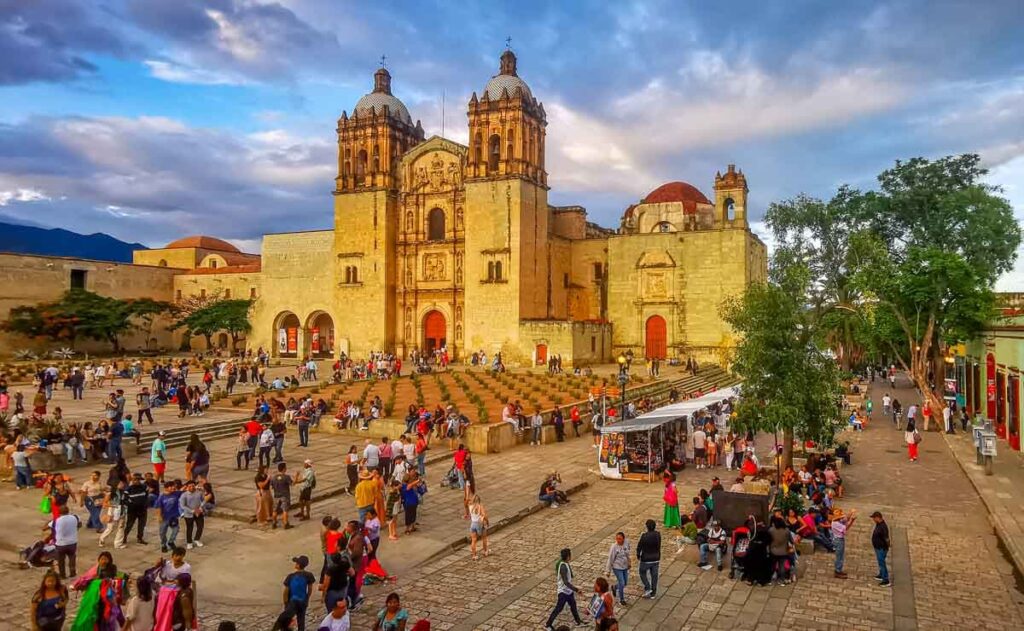
North of the Zócalo is Santo Domingo, a stunning Baroque church and convent complex. With Monte Alban and the historic center, it is a UNESCO World Heritage site.
It houses the Museum of Cultures of Oaxaca within its former convent and an ethnobotanical garden—one part of the cultural legacy of Francisco Toledo. It also serves as a meeting point for the city’s residents and travelers.
3. El Llano Park
A shaded park just a short walk northeast of the Zócalo, El Llano is beloved by locals walking dogs, exercising, or gathering socially. It offers a calm contrast to the bustling plazas nearby and is a great place to grab a bite of street food or a coffee from local park vendors.
This is also an excellent option for kids as the city often hosts events for children here.
4. Benito Juárez and 20 de Noviembre Markets
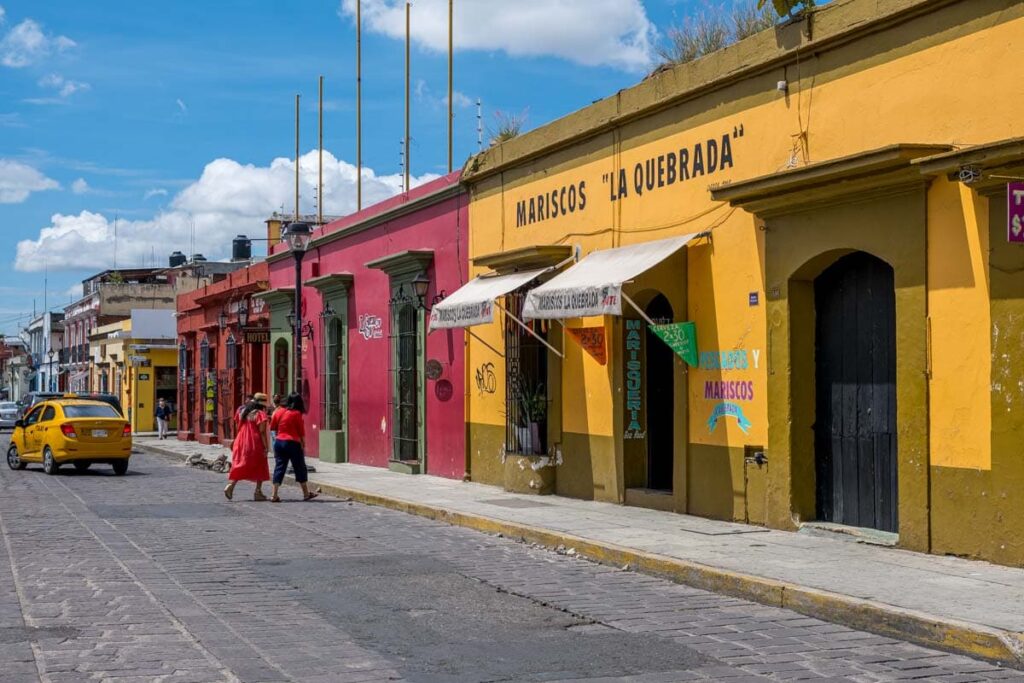
The bustling area just south of the Zocalo is the main commercial hub of Oaxaca centro and the location for two of the largest markets in Oaxaca. Both overflow with street vendors and seemingly flow into each other to create one large market area.
5. Aqueduct Arches
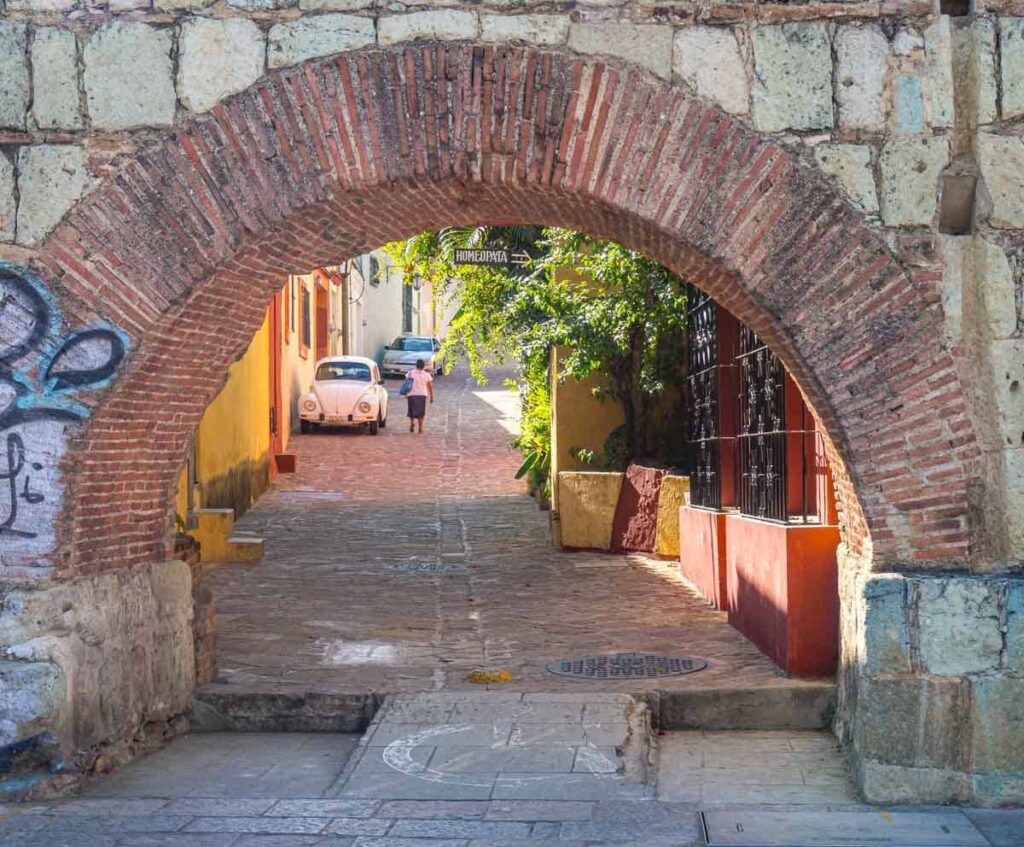
The historic arches of the old aqueduct fringe parts of Oaxaca centro. And while only small sections remain, they hint at the city’s colonial infrastructure and make for distinctive photo moments.
The aqueducts are also where Centro splits off into the Xochimilco neighborhood of Oaxaca.
6. Plaza de la Danza
Plaza de la Danza often hosts local dance performances and other festivals in Oaxaca. Its name translates to “Dance Plaza” and it sits within walking distance of the Zócalo and right next to the Soledad church. You also don’t want to miss the Plaza de Nieves nearby which I’ve detailed more in the next section.


5 Hidden Gems in the Oaxaca City Center
There’s something to be said for the unique energy of centro Oaxaca, which is so full of bustling markets, shops, vendors, coffee shops, restaurants and museums that you could easily spend days exploring every unique corner.
To make it easier on you I’ve compiled a list for you to discover some of the lesser-known artistic and cultural spaces in Oaxaca centro. You’ll also want to read our picks for the best things to do in Oaxaca.
1. Graphic Arts Institute
📍 Map
A quietly elegant cultural center founded by Francisco Toledo, it includes a graphic art library and museum. Located in Toledo’s former home, the Graphic Arts Institute features a beautiful courtyard shaded by an impressive canopy of bougainvillea.
2. San Pablo Cultural Center
📍 Map
Housed in the original 16th‑century Dominican convent of Santo Domingo de Soriano, this center opened in November 2011 and offers rotating art exhibits, various concerts, a lovely courtyard, and quiet library spaces.
3. Teatro Macedonio Alcalá
📍 Map
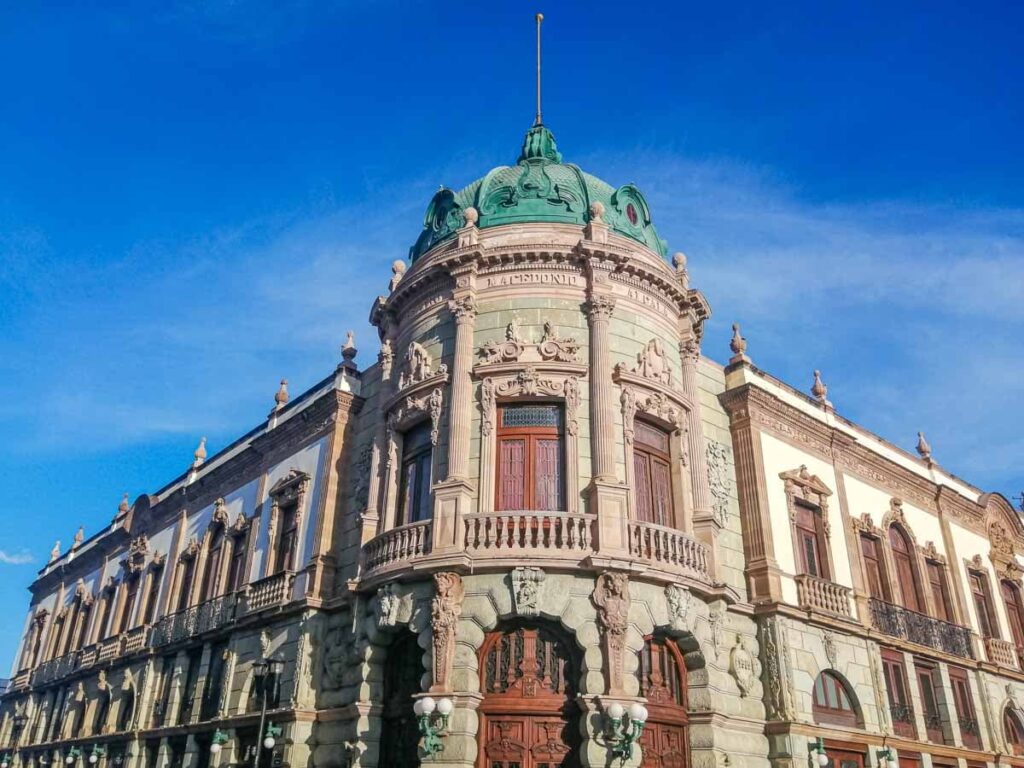
A historic theater east of the Zocalo that hosts performances and occasional cultural events. It’s a fine example of early 20th‑century architecture and the green stone used in Oaxaca centro.
4. Textile Museum
📍 Map
Located just a couple of blocks from the Zocalo, this former convent showcases a collection of huipiles and regional textiles as well as information on the indigenous groups that created them. Although small, it’s one of the most popular museums in Oaxaca.
5. Plaza de las Nieves
📍 Map
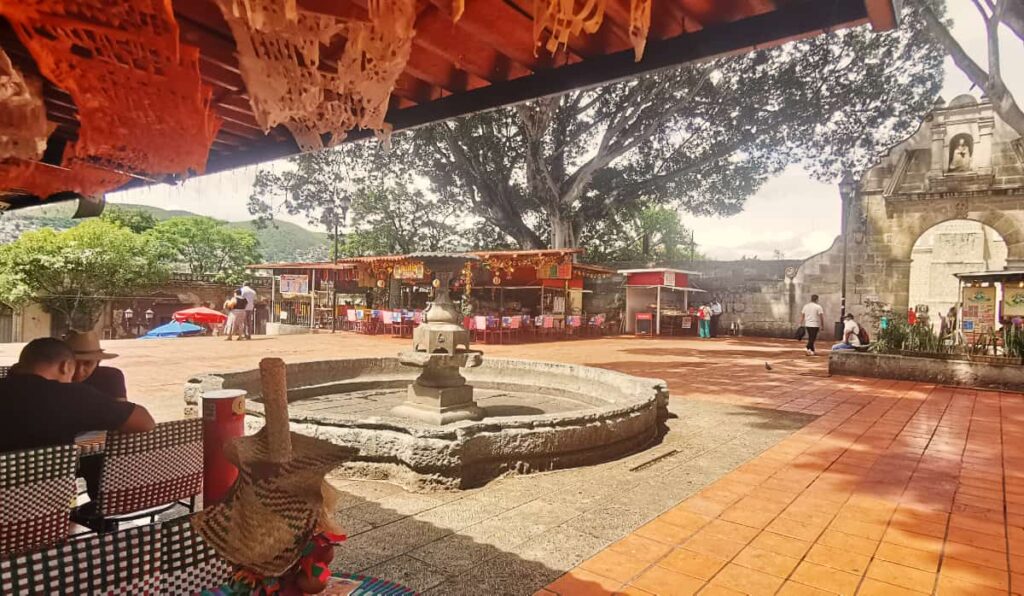
Right next to Plaza de La Danza and the Soledad church, you’ll find this plaza famous for its nieves, a traditional dessert similar to sorbet. Try leche quemada and tuna, a classic Oaxacan favorite that combines a scoop of scalded milk ice cream and a scoop of prickly pear fruit for something sweet, creamy and unique.
Where to Stay in Oaxaca Centro

If you’re wondering where to stay in Oaxaca’s historic center, we’ve got you covered. Here are our top picks, from luxe to budget, and each located within Centro Histórico:
Majagua Hotel Boutique ($$$$) – Elegant rooms, rooftop terrace with city views, and intimate mezcal‑themed décor.
Hotel Casa Antigua ($$$) – Colonial‑style charm, central courtyard, and peaceful ambience steps from Santo Domingo.
Comala Bed & Breakfast ($$) – Cozy guesthouse feel with breakfast included and easy walking access to the Zócalo.
Casa Abuela Maria ($) – Budget‑friendly, family‑run inn with hospitable service and basic but clean rooms.

Prefer a hostel? Check out our picks for the best hostels in Oaxaca.
FAQs About Centro de Oaxaca
What is the Center of Oaxaca called?
The center of Oaxaca is commonly referred to as the Centro Histórico de Oaxaca, or simply Oaxaca Centro or Oaxaca City Center, signifying the historic core around the Zócalo and Santo Domingo area. You may also hear the area between Santo Domingo and the Zocalo referred to as the “andador turístico”.
What’s in the city center of Oaxaca?
The city center of Oaxaca includes the Zócalo, Oaxaca Cathedral, Santo Domingo complex, Plaza de la Danza, El Llano Park, and pedestrian walkways like Macedonio Alcalá. Between these landmarks there are numerous artisan galleries, cafés, markets, and hidden cultural centers.
Is Oaxaca a walkable city?
Yes, Oaxaca is a walkable city. Oaxaca Centro Histórico is pedestrian‑friendly and many sites are within walking distance. Most travelers can easily explore the main area without needing transport, though taxis are available to reach farther areas of Oaxaca centro.
Final Thoughts About Oaxaca Centro
Centro Oaxaca is a captivating blend of colonial architecture, vibrant markets, artistic energy and beautiful plazas, all grounded by the rhythms of daily life in Oaxaca de Juárez.
The Centro Histórico de Oaxaca invites travelers to wander from the Zócalo to Santo Domingo, linger in galleries and cafés, and uncover cultural niches like San Pablo and the Graphic Arts Institute. Whether you’re drawn by historic landmarks or hidden gems, Oaxaca city center has a blend of both.